About Pakistan
Tattooing, piercing, and permanent makeup in Pakistan are artistic forms that have gradually emerged from the fringes to become more noticeable in the urban cultural landscape. In a country deeply rooted in tradition and cultural conservatism, these forms of body art represent a blend of modernity and tradition. This 1000-word introduction will delve into the evolving world of tattoos, piercings, and permanent makeup in Pakistan, exploring their history, cultural implications, and current trends.
Historical and Cultural Background
Historically, in South Asian culture, body art has been present in various forms, like henna tattoos (mehndi), which are still widely used in Pakistan during weddings and festivals. However, the concept of permanent tattoos, as known in the Western context, has been relatively uncommon and, in some cases, viewed with skepticism due to cultural and religious beliefs.
Piercings in Pakistan have traditionally been limited to ear and nose piercings for women, which are culturally accepted and often seen as a rite of passage. However, the trend of body piercings in more varied and visible locations is a recent phenomenon and is often associated with a more modern lifestyle.
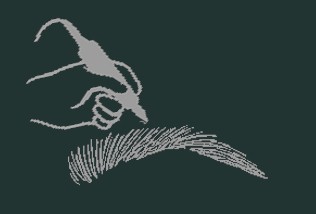
Permanent makeup, also known as cosmetic tattooing, is gaining traction, especially in urban centers. It includes procedures like microblading for eyebrows and permanent eyeliner, appealing to those seeking long-lasting cosmetic solutions.
Modern Trends and Public Perception
In recent years, there has been a gradual shift in the perception of tattoos and piercings in Pakistan, particularly among the urban youth and in cities like Karachi, Lahore, and Islamabad. This shift is partly influenced by global trends, the media, and the exposure of Pakistani society to different cultures through the internet and global travel.
However, tattoos and piercings are still far from mainstream acceptance in Pakistan. They are often associated with rebellion or non-conformity, and people with visible tattoos or unconventional piercings might face societal judgment. This perception is slowly evolving, with an increasing number of people viewing body art as a form of personal expression.
The Art and Industry of Tattoos in Pakistan
The tattoo industry in Pakistan, while still in its nascent stages, is growing. A small but passionate community of tattoo artists and enthusiasts is emerging, with studios in major cities offering professional tattoo services. These artists often train abroad or with experienced tattooists to hone their skills.
The designs and styles reflect a fusion of traditional and modern aesthetics, with some individuals choosing tattoos that reflect their cultural heritage, while others opt for contemporary designs.
Piercing as a Fashion Statement
Piercing, beyond traditional ear and nose piercings, is becoming a fashion statement among the younger population. Piercing studios, often operating within salons or tattoo parlors, provide a range of services, from standard ear piercings to more adventurous options like belly or tongue piercings.
Growth of Permanent Makeup
The field of permanent makeup is witnessing a surge in demand, driven by the desire for convenience and an always-perfect look. Services like eyebrow microblading and permanent eyeliner are particularly popular among working women who seek to reduce their daily makeup routines.
Navigating the Regulatory Landscape
The regulatory environment for tattooing, piercing, and permanent makeup in Pakistan is relatively underdeveloped. While there are no specific laws regulating these practices, artists and studios generally follow international standards for hygiene and safety. Customers are advised to research thoroughly and choose reputable professionals to ensure health and safety.
Training and Skills Development
Training for aspiring tattoo and piercing artists in Pakistan is primarily self-initiated, often involving travel abroad for apprenticeships or learning through online courses. The lack of formal training institutions within the country means that artists must be self-motivated and resourceful in acquiring their skills.
Cultural Sensitivities and Ethical Considerations
Given Pakistan’s cultural and religious sensitivities, tattoo artists often navigate a delicate balance. They may avoid certain designs or placements that could be deemed offensive or inappropriate. The artists and their clients often have to consider the broader societal context in which they operate.
Challenges and Opportunities
The body art industry in Pakistan faces various challenges, including societal attitudes, lack of formal regulation, and limited public awareness about safe practices. However, these challenges also present opportunities for growth and development, including the potential establishment of training institutes and greater public engagement to foster understanding and acceptance.
The Role of Social Media and Influencers
Social media has played a significant role in popularizing and normalizing body art in Pakistan. Artists and studios use platforms like Instagram and Facebook to showcase their work, attract clients, and create communities of body art enthusiasts. Influencers and celebrities who openly display their tattoos and piercings also contribute to changing perceptions.
Aftercare and Maintenance
Aftercare is crucial in the world of tattoos and piercings, and reputable artists in Pakistan provide detailed aftercare instructions to their clients. This is especially important in a climate that can pose additional challenges for healing and maintenance.
Conclusion
The realms of tattooing, piercing, and permanent makeup in Pakistan are at a fascinating intersection of tradition and modernity. As these forms of body art gradually gain acceptance, they reflect the changing dynamics of Pakistani society, particularly among its urban youth. For those within and outside the country, exploring this evolving landscape offers insights into a nation that is simultaneously holding onto its rich heritage and embracing new forms of self-expression.